Many athletes now wear devices that track their sleep in great detail. These devices measure heart rate, breathing, movement, and the time spent in each sleep stage. All this information becomes a simple number called a sleep score. 20Bet bettors want that number because it hints at how tired a player may be before a match starts.
Why Fatigue Matters for Punters
Fatigue often hides within the body before it becomes apparent on the field. A tired athlete reacts more slowly, moves less, and makes more mistakes. Sleep data turns this hidden weakness into something you can measure. Bettors see this as an edge because it helps explain sudden drops in performance.
How Wearable Tech Changed the Game
Wearables used to be basic step counters. Now they track complex signals like oxygen flow and heart rate variability. They show how well an athlete recovered overnight. They also show when the body is under stress, even when the athlete feels fine.
The Science Behind the Score
A sleep score is not magic. It is the result of many small signals. If REM sleep is low, focus and mood may drop. If deep sleep is short, muscle recovery may suffer. If the resting heart rate is high, the body is fighting stress. The score bundles all this into one number.
Reading Patterns Over Time
A single bad night of sleep might not matter. But a week of poor sleep can show a trend. Bettors who follow athletes across a season watch for dips that last more than a day. Those dips often show up before slumps in performance.
When Teams Use Sleep Data to Decide Lineups
Some teams pull players from games when their sleep data looks bad. They know the risk of injury rises with fatigue. These decisions look random to fans but make sense when you know the numbers behind them. Bettors who do not have this context get confused when stars sit out at the last minute.
How Sleep and Risk Move Together
A tired athlete is more likely to make poor decisions. In fast sports, that can turn into turnovers, missed shots, or careless fouls. Bettors look at sleep scores because they help forecast these small but costly moments.
The Body Reacts Before the Brain Does
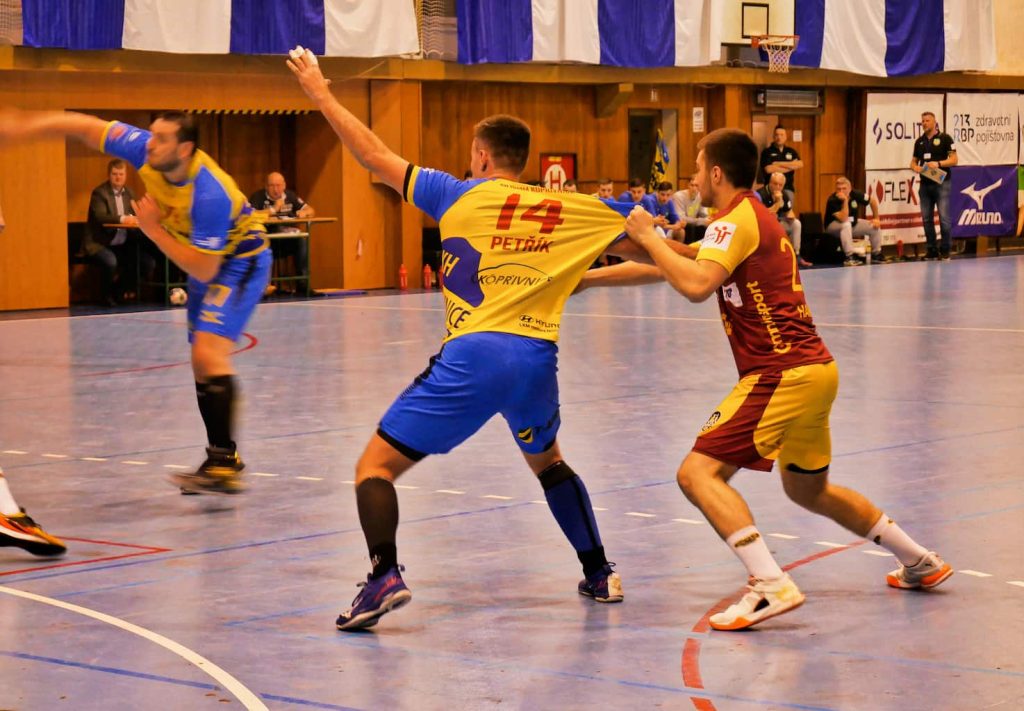
Many athletes believe they feel “fine” even when their metrics say otherwise. The body sends signals long before the mind accepts them. Wearables catch these signals through changes in heart rate and breathing. For bettors, this gap between feeling and reality is the hidden window where profits can be found.
Travel, Time Zones, and Night Games
Sleep scores drop when players travel far. Red-eye flights, jet lag, and late-night games chip away at rest. Teams that jump time zones see players perform worse for a day or two. Bettors who understand travel fatigue read schedules through a different lens.
Why Not All Sleep Scores Are Equal
A sleep score of 75 for one athlete may not mean the same for another. Some players recover faster. Others break down sooner. Bettors track long-term patterns to understand what is “normal” for each athlete. When a player drops far below their norm, it becomes a signal.
Hidden Injuries Show Up in Wearable Data
Sometimes sleep scores drop before an injury becomes public. Poor sleep can mean the body is fighting inflammation. Resting heart rate climbs. Recovery drops. These tiny signals add up. Bettors who follow these metrics can spot trouble before the news breaks.
Coaches Adjust Tactics Based on Fatigue
When a coach knows a player is tired, they may change the game plan. They reduce minutes. They slow the pace. They protect the tired athlete by shifting roles. These choices shape scoring, pace, and even spread outcomes.
Fatigue Predicts More Than Physical Decline
Tired minds make slower choices. Even smart players make odd mistakes when they are sleep-deprived. Bad passes. Poor shot timing. Missed cues on defense. A weak sleep score often predicts mental slips before physical ones.
The Betting Market Adjusts Slowly
Sportsbooks adjust lines when an injury becomes public. But they rarely adjust for fatigue. Sleep data is not always available, and even when it leaks, most people ignore it. Bettors who use this data move ahead of the book, not behind it.
